High-Performance Polyurethane Insulated Panels for Modern Industrial Infrastructure
Insulated panelling is the backbone of modern temperature-controlled and energy-efficient buildings. Dalucon’s polyurethane insulated panels provide superior thermal insulation, structural strength, and rapid installation, making them ideal for cold rooms, food processing facilities, industrial buildings and healthcare infrastructure in Eswatini.
Manufactured using high-pressure injected polyurethane (PU) and precision engineered joining systems, these panels deliver exceptional thermal performance while reducing energy consumption and construction time.
With panel thicknesses typically ranging from 40 mm to 200 mm and lengths up to 16.5 m, Dalucon insulated panels provide flexible building solutions for projects across Eswatini’s agriculture, logistics and industrial sectors.
Engineering the Future of Energy-Efficient Buildings
Across Southern Africa, industries are increasingly investing in insulated construction systems to reduce operational costs and improve temperature control.
Polyurethane insulated panels are widely used because of their extremely low thermal conductivity (around 0.022 W/mK), which significantly reduces heat transfer compared with traditional building materials.
In practical terms, this means:
- more stable internal temperatures
- lower refrigeration or air-conditioning energy use
- improved durability of temperature-sensitive products
For businesses in Eswatini’s agriculture, food processing, pharmaceutical and logistics sectors, insulated panelling is a critical component of modern infrastructure.
Precision-Manufactured Polyurethane Insulated Panels
High-Pressure Injection Technology
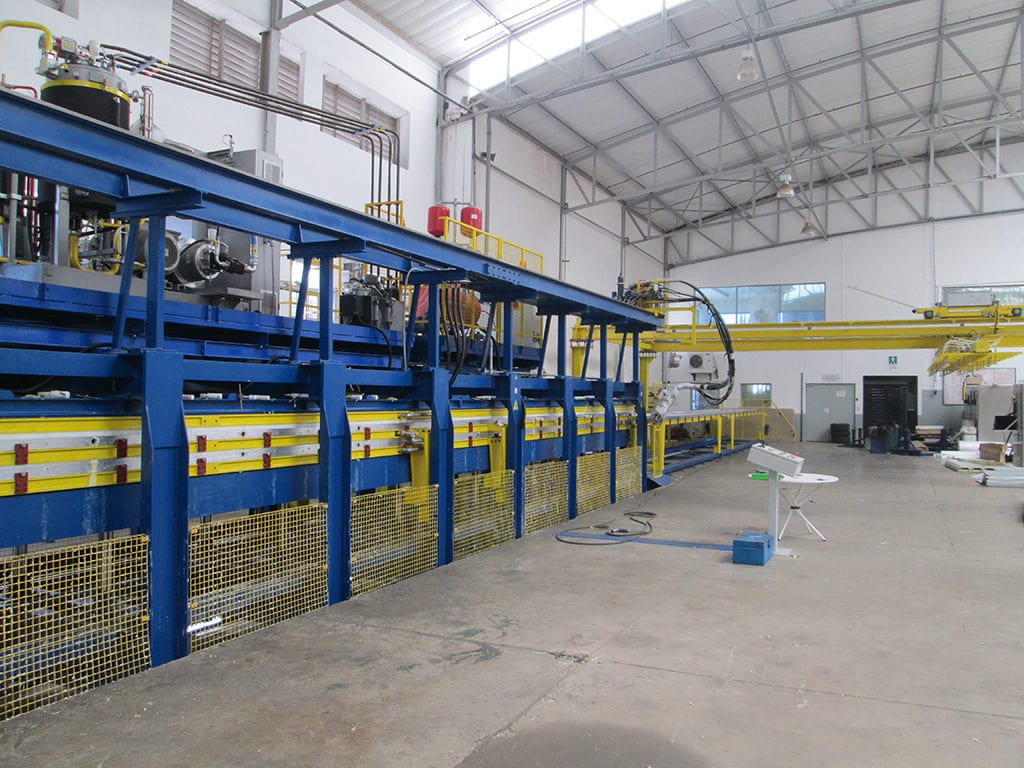
Dalucon panels are produced using high-pressure polyurethane injection technology, ensuring consistent insulation density and structural integrity.
Typical specifications include:
- Core material: Polyurethane (PU)
- Density: approximately 40 kg/m³
- Thermal conductivity: about 022 W/mK
- Panel thickness: 40 mm – 200 mm
- Panel length: 4 m – 16.5 m
This manufacturing process ensures uniform insulation performance throughout the panel, improving energy efficiency and structural stability.
Tongue-and-Groove Interlocking System
A key feature of Dalucon insulated panels is the precision tongue-and-groove joining system, which allows panels to interlock securely.
Benefits include:
- airtight joints that prevent thermal leakage
- faster installation times
- improved structural stability
Airtight panel connections significantly reduce heat transfer and moisture infiltration, improving overall building performance.
Long-Span Panels for Seamless Construction
Dalucon panels can be manufactured up to 16.5 m in length, allowing large structures to be built with minimal joints.
Advantages include:
- reduced structural weak points
- improved insulation continuity
- faster construction times
- cleaner architectural finishes
This capability is particularly valuable for cold storage warehouses and large industrial buildings.
Built for Eswatini’s Climate and Infrastructure Needs
Eswatini’s warm subtropical climate places significant demands on buildings that require temperature stability.
Insulated panelling helps maintain controlled internal environments by reducing heat transfer through building walls and roofs.
In sectors such as:
- cold storage
- meat processing
- dairy production
- pharmaceutical storage
- logistics warehouses
Insulated panels help maintain consistent internal temperatures even when external temperatures rise significantly.
The result is lower refrigeration costs, improved product preservation and increased operational efficiency.
Applications of Insulated Panelling in Eswatini
Cold Rooms and Refrigerated Warehouses
Insulated panels are widely used in the construction of commercial cold rooms and freezer rooms, where maintaining stable temperatures is critical.
Panel thickness can be selected based on the temperature required:
|
Temperature Range
|
Typical Panel Thickness
|
|
Chilled storage (0 °C to +5 °C)
|
75 mm
|
|
Freezer storage (-18 °C)
|
100 mm
|
|
Deep freeze (-25 °C or lower)
|
150 mm+
|
These panels help maintain energy-efficient refrigeration environments for food storage.
Food Processing and Agricultural Facilities
Eswatini’s agriculture sector depends on temperature-controlled infrastructure for processing and packaging products.
Insulated panels are commonly used for:
- fruit and vegetable packhouses
- dairy processing facilities
- meat processing plants
- cold chain logistics centres
Industrial and Commercial Buildings
Polyurethane panels are also widely used in:
- industrial warehouses
- manufacturing plants
- clean rooms and laboratories
- telecommunications shelters
Their lightweight structure and strength allow large facilities to be constructed quickly and efficiently.
The Performance Advantages of Polyurethane Insulated Panels
Exceptional Thermal Efficiency
PU panels offer some of the lowest thermal conductivity values among insulation materials, dramatically reducing heat transfer through building envelopes.
This improves energy efficiency and reduces operating costs for climate-controlled facilities.
Faster Construction and Installation
Compared with traditional brick or concrete construction, insulated panel systems can reduce construction time by more than 40 % due to prefabricated manufacturing and simple assembly.
Lightweight Yet Structurally Strong
Despite their light weight, polyurethane panels offer high load-bearing capacity and structural strength, making them suitable for large industrial buildings.
Long Service Life
With proper installation and maintenance, insulated panel systems can deliver 15 years or more of reliable service while maintaining thermal performance.
Why Dalucon Insulated Panels Are Trusted in Southern Africa
Dalucon provides complete insulated building solutions, including:
- design and specification
- manufacturing of polyurethane insulated panels
- roofing and wall panel systems
- installation support
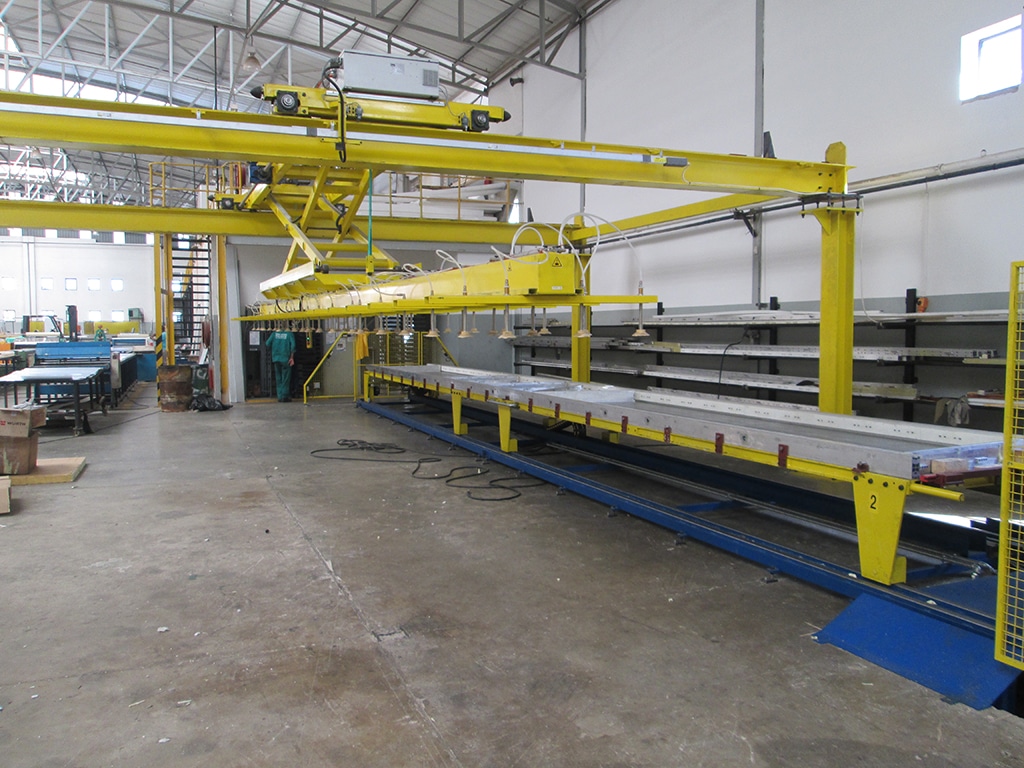
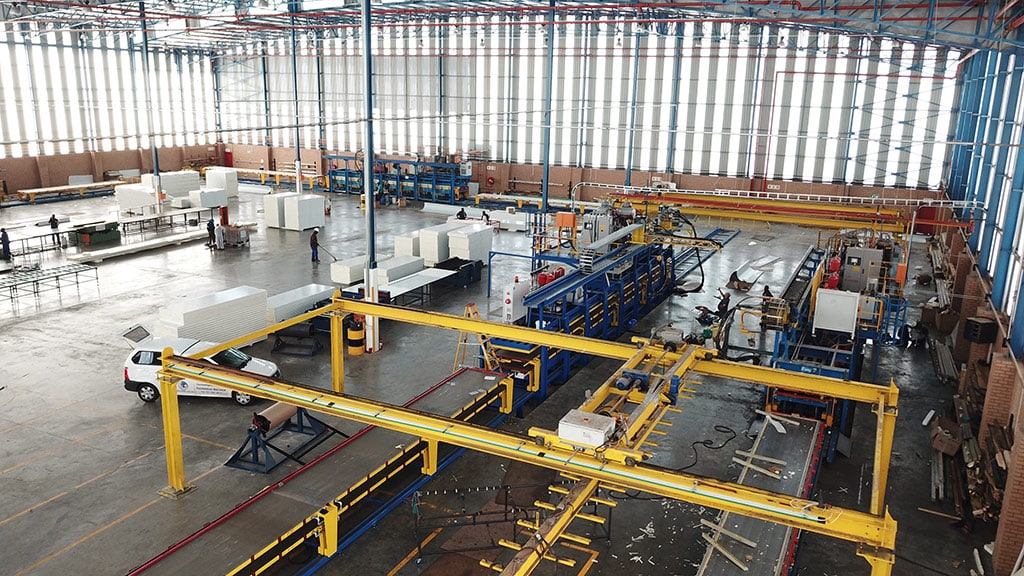
With advanced manufacturing equipment and precision injection technology, Dalucon panels deliver consistent quality and performance across large industrial projects.
Frequently Asked Questions
What are insulated panels used for?
Insulated panels are used in cold rooms, warehouses, food processing plants, pharmaceutical facilities, and industrial buildings where temperature control and energy efficiency are important.
What material is used in insulated panels?
Most industrial insulated panels use polyurethane foam sandwiched between metal sheets, creating a strong and highly efficient thermal barrier.
How thick are insulated panels?
Typical insulated panel thickness ranges from 40 mm to 200 mm, depending on the level of insulation required.
Why are polyurethane panels used for cold rooms?
Polyurethane insulation has extremely low thermal conductivity, meaning it reduces heat transfer and helps maintain stable internal temperatures in cold storage environments.
Are insulated panels energy efficient?
Yes. Insulated panel buildings require significantly less heating or cooling energy compared with conventional construction methods due to their high thermal resistance.